Accepting New Patients

Blog
EyeSight Eyecare Blog
Learn more about optometrist care in our blog!

If menus, text messages, or small print are becoming harder to see, you may be experiencing presbyopia. This normal age-related vision change typically becomes noticeable in your 40s and makes it more difficult to focus clearly at close distances. Reading glasses can provide a simple solution, while progressive lenses offer several viewing distances in one pair of glasses.
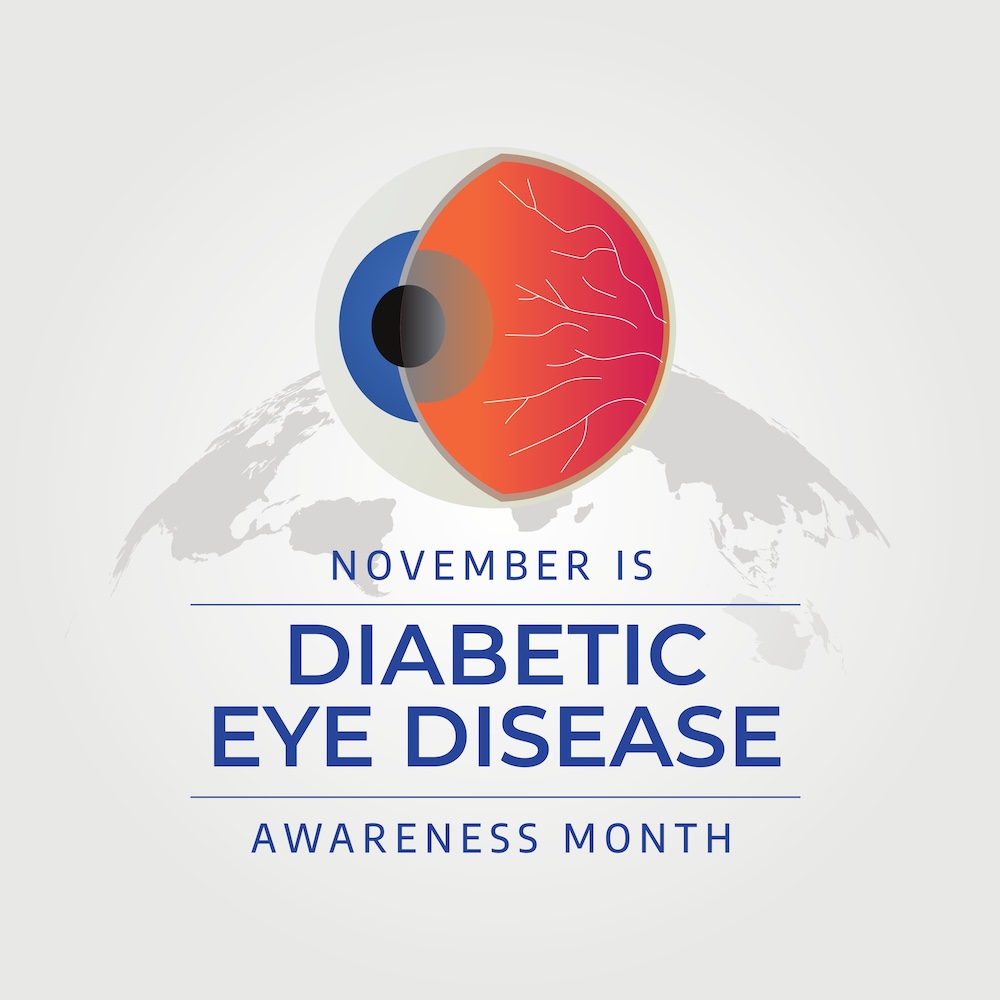
National Diabetes Month is an important reminder that diabetes can affect more than blood sugar. It can also impact your eyes and long-term vision. Many diabetes-related eye conditions develop quietly, which is why routine eye exams are essential for protecting your sight.
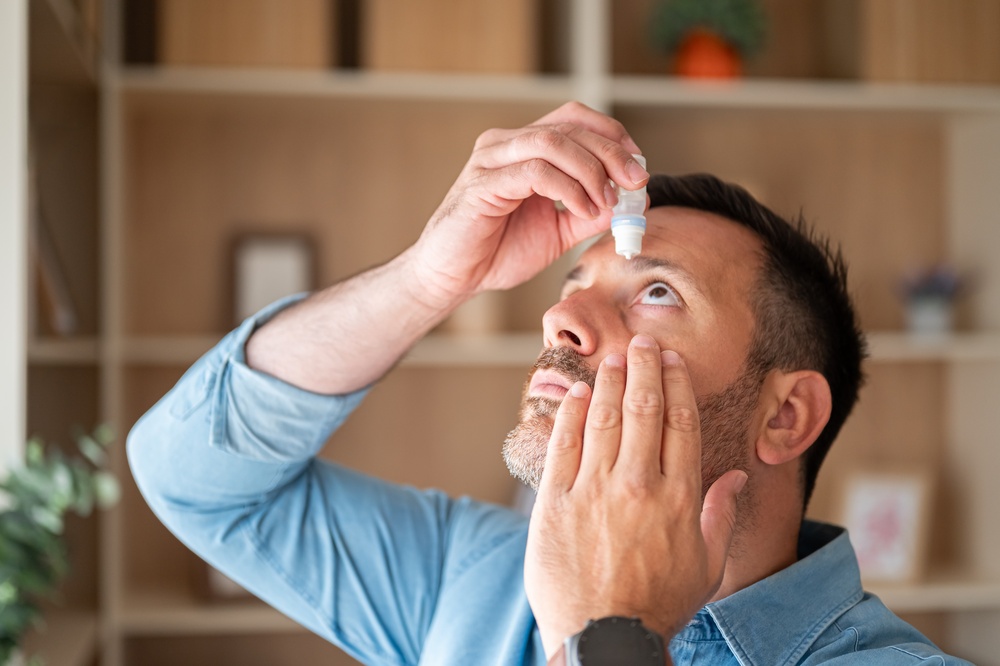
Dry eye is a common condition that happens when your eyes do not produce enough tears or when your tears do not work properly. Healthy tears are important for clear vision, comfort, and protecting the surface of the eye. When the tear film becomes unstable, it can lead to irritation, blurry vision, and ongoing discomfort. We help patients understand the cause of their dry eye symptoms and recommend treatment options based on their needs.
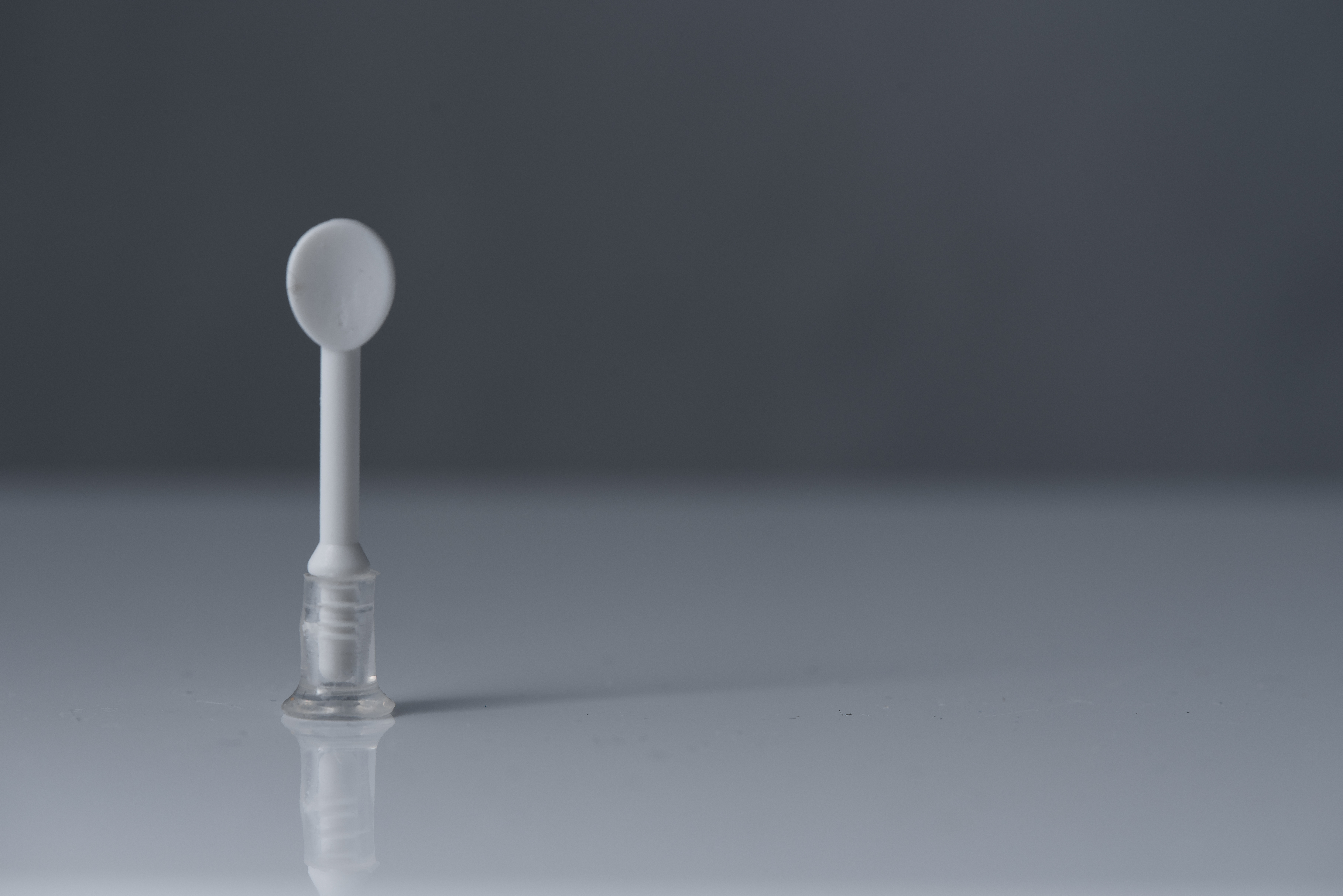
Colorado's outdoor lifestyle calls for clear, comfortable vision, whether you're hiking mountain trails, biking, or enjoying a weekend outdoors. For people with astigmatism or keratoconus, finding contact lenses that provide reliable vision can be challenging. At EyeSight Eyecare in Westminster, CO, we help patients explore specialty contact lenses, including scleral lenses, to find the right fit for their eyes and lifestyle.

Contact Lens Safety Month is a helpful reminder to review how you wear, clean, and care for your lenses every day. Even small mistakes can lead to irritation, dryness, blurry vision, or eye infections.
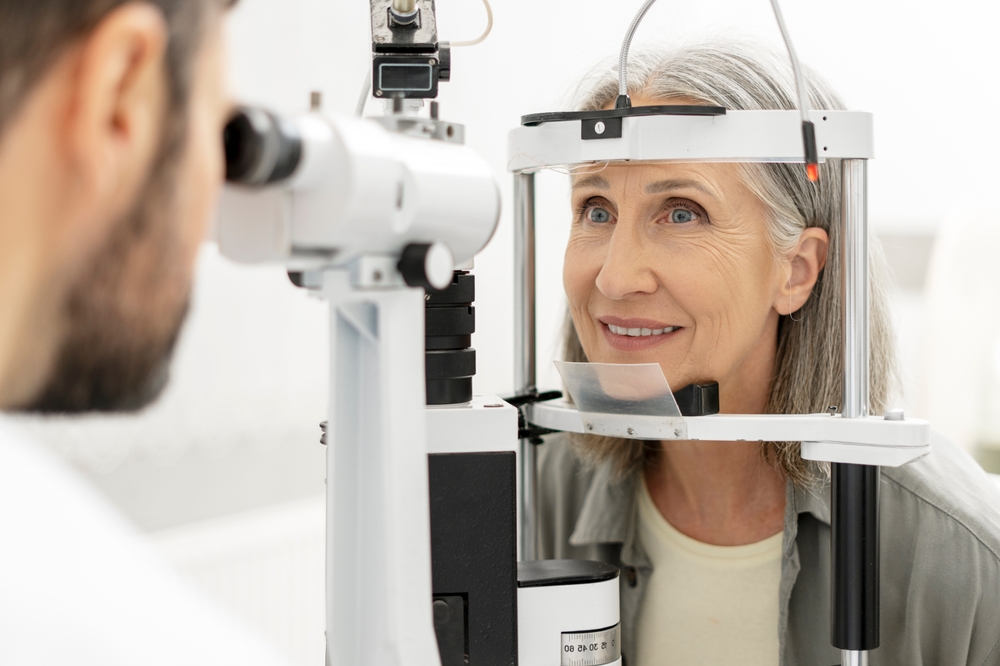
Cataracts are a common vision condition that can develop gradually over time. Because early symptoms may be subtle, many people do not realize their vision is changing until daily tasks become more difficult. Knowing the early signs of cataracts can help you schedule an eye exam before the condition begins to affect your comfort, safety, and quality of life.
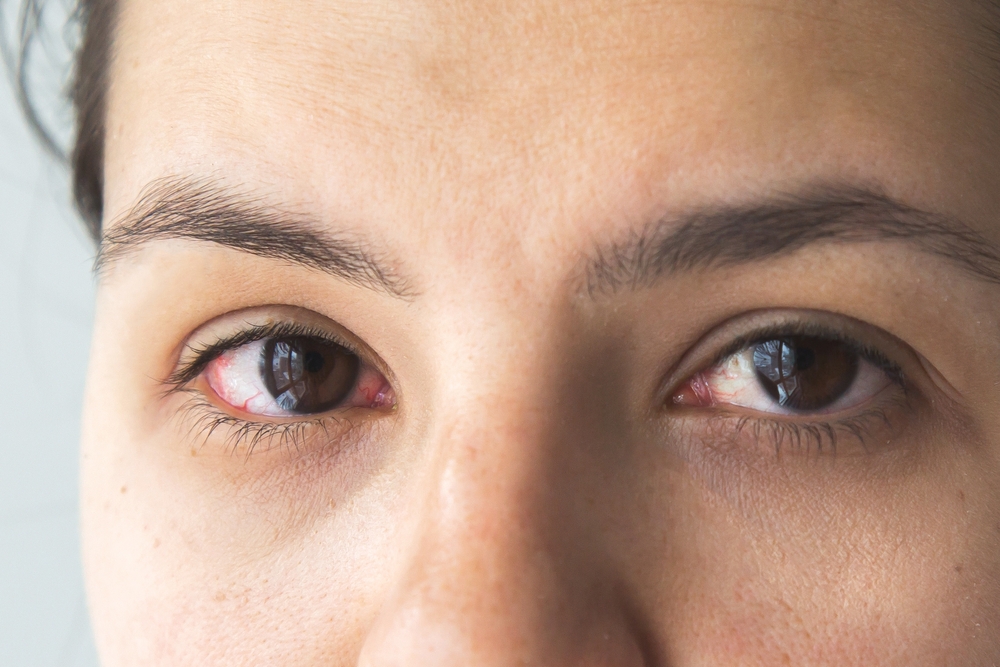
Colorado is known for its dry climate, and when fall and winter arrive, the combination of low humidity, cold air, wind, and indoor heating can make dry eyes increasingly uncomfortable. For people in Westminster, CO, seasonal dryness can lead to burning, irritation, fluctuating vision, and eyes that constantly feel tired or gritty.

Healthy Aging Month is a good reminder that caring for your eyes is an important part of supporting your overall health. As we get older, changes in vision can happen gradually, and some eye conditions may develop without obvious symptoms at first. Regular eye care helps protect your sight, detect concerns early, and keep your vision as clear and comfortable as possible.
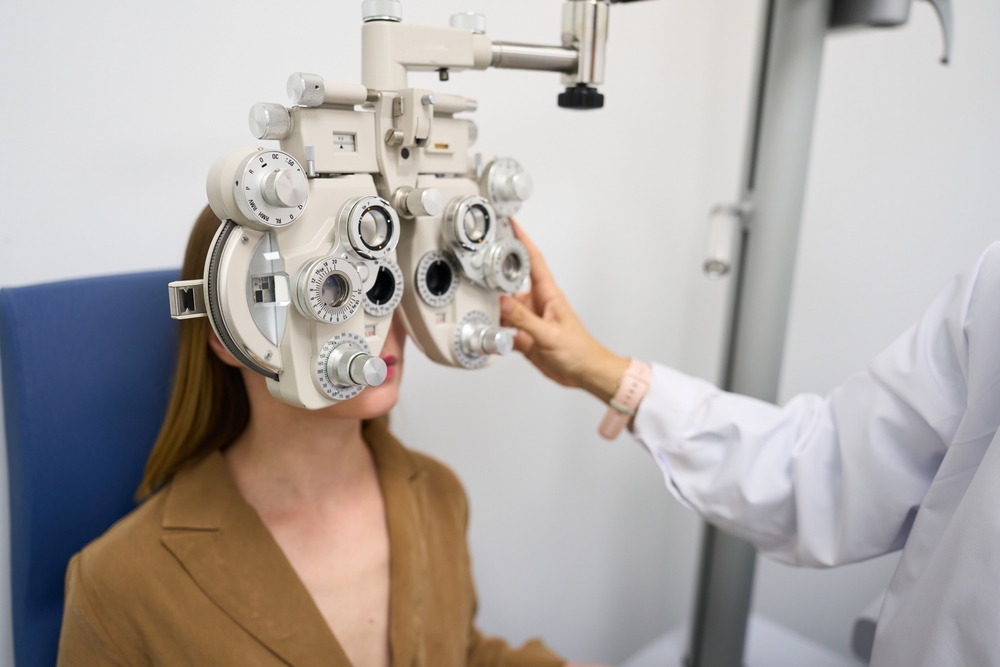
Vision screenings and comprehensive eye exams both help identify vision concerns, but they are not the same. A vision screening is a basic check that may detect possible signs of a problem, while a comprehensive eye exam gives a more complete look at your vision, eye health, and overall visual function.
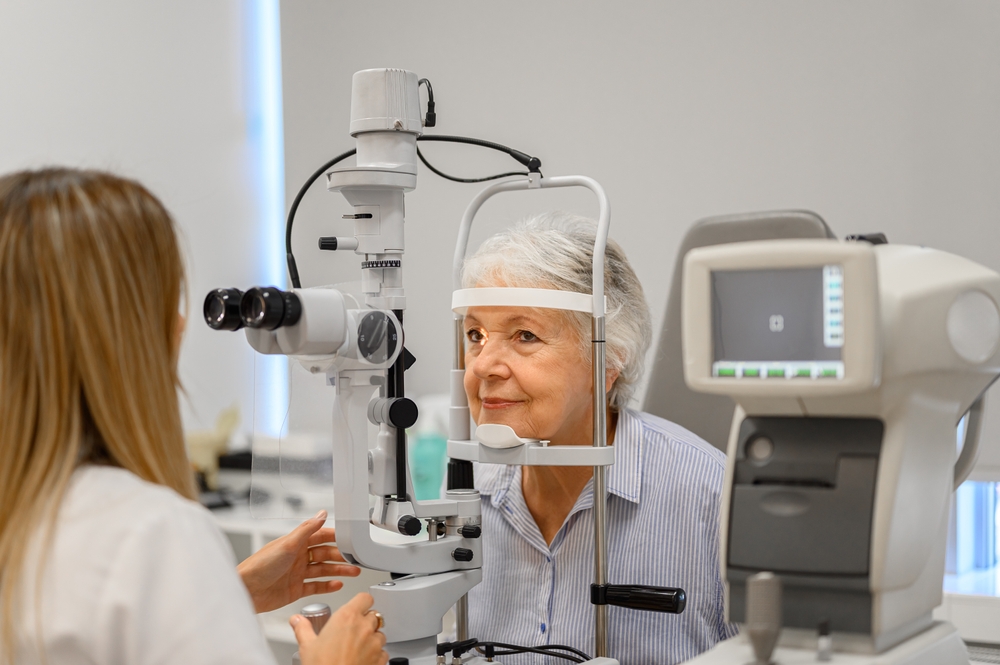
Vision naturally changes with age, but not every change should be dismissed as part of getting older. For seniors in Westminster, understanding the difference between gradual age-related vision changes and possible signs of eye disease is important for protecting long-term sight. Some eye diseases develop quietly, while others can cause noticeable changes that require prompt attention.

Quick Links
OFFICE HOURS
- Monday9:30am - 5:30pm
- Tuesday9:30am - 5:30pm
- WednesdayClosed
- Thursday9:30am - 5:30pm
- Friday9:30am - 5:30pm
- Saturday9:00am - 1:00pm
- SundayClosed
© 2026 EyeSight Eyecare. All rights Reserved. Accessibility Statement | Privacy Policy | Sitemap
Managed and Designed By
