Accepting New Patients

Why Colorado’s Low Humidity Makes Your Dry Eyes Worse Every Fall & Winter
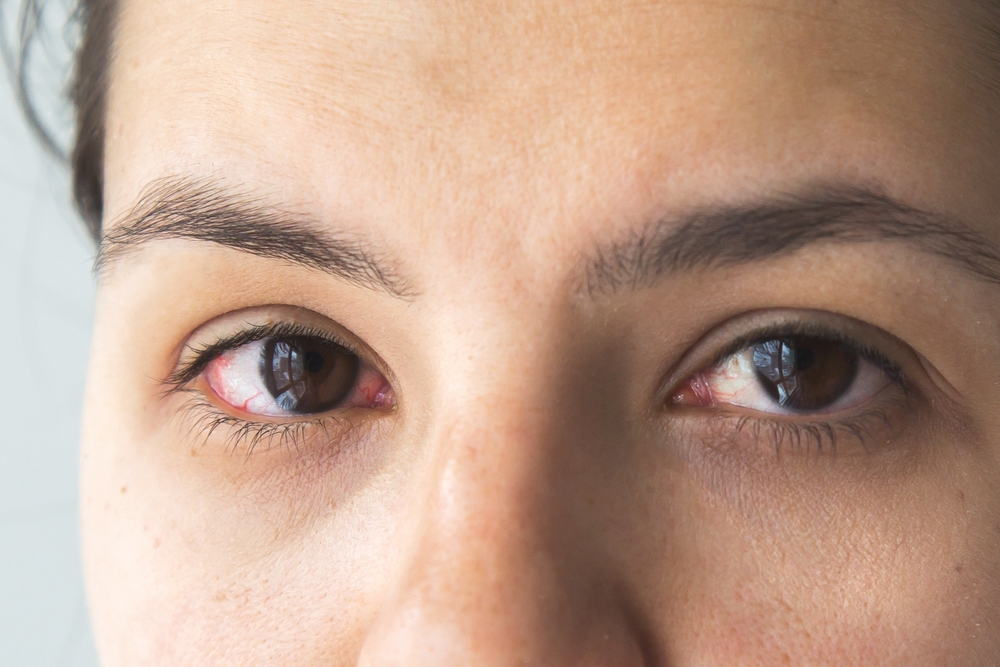
Colorado is known for its dry climate, and when fall and winter arrive, the combination of low humidity, cold air, wind, and indoor heating can make dry eyes increasingly uncomfortable. For people in Westminster, CO, seasonal dryness can lead to burning, irritation, fluctuating vision, and eyes that constantly feel tired or gritty.
At EyeSight Eyecare, we understand that persistent dry eye symptoms are not always something you can solve with occasional eye drops. Identifying what is disrupting your tear film is an important part of finding lasting relief.
Why Low Humidity Affects Your Tear Film
Your tear film protects and lubricates the surface of your eyes. When the surrounding air contains less moisture, tears can evaporate from the eye more quickly. Colorado's naturally low humidity can make this especially noticeable during fall and winter.
Cold outdoor temperatures can add to the problem, but heading indoors does not necessarily provide relief. Furnaces and other heating systems can further reduce indoor humidity. Spending more time inside with warm, dry air circulating around you may leave your eyes feeling irritated even when you are out of the cold.
Signs Colorado's Dry Climate May Be Affecting Your Eyes
Seasonal dry eye symptoms can vary from person to person. You may notice:
- Burning, stinging, or gritty sensations
- Red or irritated eyes
- Excessive watering
- Blurry or fluctuating vision
- Increased sensitivity to light
- Eye fatigue during reading or computer use
Interestingly, watery eyes can still be a sign of dry eye. When the eye surface becomes irritated, your eyes may produce reflex tears that do not have the balanced composition needed to provide lasting lubrication.
Wind and Screen Time Can Make Dry Eyes Worse
Fall and winter weather in Westminster, CO often means exposure to cool winds outdoors and more screen time indoors. Wind speeds up tear evaporation, while prolonged computer use can reduce how often you blink. Less frequent or incomplete blinking means the tear film is not refreshed as effectively.
Wearing sunglasses outdoors, taking regular screen breaks, blinking intentionally, staying hydrated, and using a humidifier indoors may help reduce mild seasonal symptoms.
When Seasonal Dryness Needs More Than Eye Drops
If your dry eyes return every fall and winter or continue despite using artificial tears, there may be more happening beneath the surface. Problems with tear production, eyelid inflammation, or meibomian gland dysfunction can contribute to chronic dry eye.
At EyeSight Eyecare, we evaluate the tear film, eyelids, ocular surface, and oil glands to better understand what is causing your symptoms. Depending on your individual needs, dry eye treatment may focus on reducing inflammation, improving oil gland function, conserving natural tears, or providing additional moisture to the eye.
You do not have to spend another Colorado fall and winter putting up with burning, watery, or uncomfortable eyes. Schedule your dry eye evaluation with EyeSight Eyecare in Westminster, CO at (303) 466-9326 and find a treatment plan designed around the source of your symptoms.


Quick Links
OFFICE HOURS
- Monday9:30am - 5:30pm
- Tuesday9:30am - 5:30pm
- WednesdayClosed
- Thursday9:30am - 5:30pm
- Friday9:30am - 5:30pm
- Saturday9:00am - 1:00pm
- SundayClosed
© 2026 EyeSight Eyecare. All rights Reserved. Accessibility Statement | Privacy Policy | Sitemap
Managed and Designed By
