Accepting New Patients

Is My Sudden Vision Change a Normal Part of Aging or a Silent Eye Disease? What Westminster Seniors Should Know
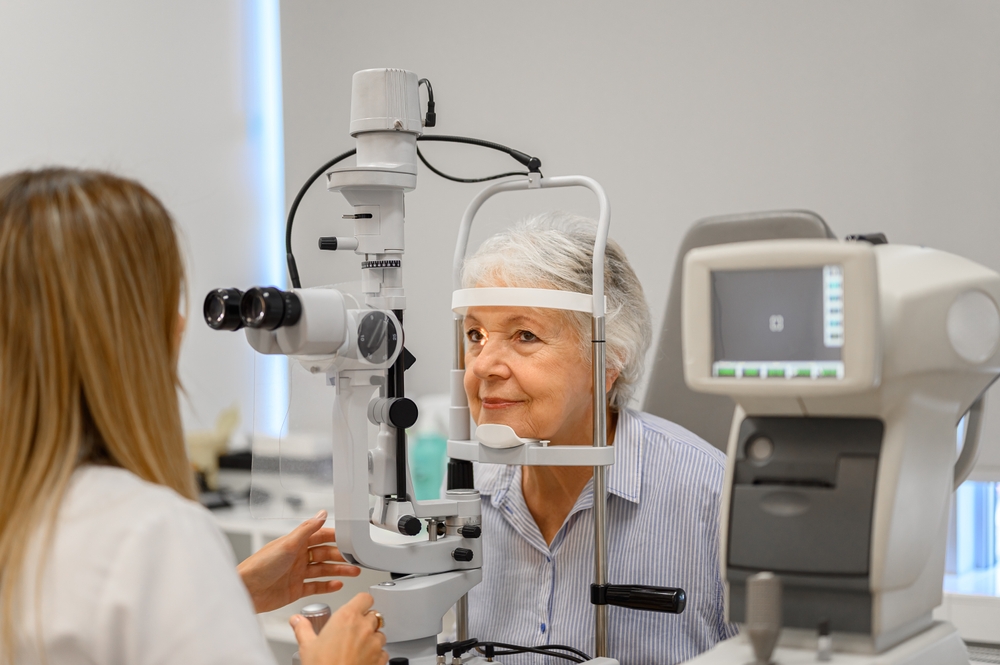
Vision naturally changes with age, but not every change should be dismissed as part of getting older. For seniors in Westminster, understanding the difference between gradual age-related vision changes and possible signs of eye disease is important for protecting long-term sight. Some eye diseases develop quietly, while others can cause noticeable changes that require prompt attention.
What Vision Changes Are Common With Aging?
As we get older, the eyes undergo changes that can affect how clearly and comfortably we see. Presbyopia, for example, gradually makes it harder to focus on objects up close. Some adults also notice that they need brighter lighting to read comfortably or that adjusting between bright and dim environments takes longer.
These changes typically develop gradually. A sudden change in vision, however, should not automatically be blamed on aging.
Age also increases the risk of conditions such as cataracts, age-related macular degeneration (AMD), and glaucoma. Older adults are at greater risk for several eye diseases that can threaten vision, making regular comprehensive eye exams especially important.
When a Vision Change Could Signal Eye Disease
At EyeSight Eyecare, we encourage Westminster patients to pay attention to changes in how they see, particularly when symptoms appear suddenly or seem different from their usual vision.
Warning signs that deserve professional evaluation include:
- Sudden blurry, hazy, or reduced vision
- A sudden increase in floaters or flashes of light
- A dark shadow or curtain across part of the visual field
- New blind spots or missing areas of vision
- Wavy or distorted central vision
- New double vision
- Unexplained eye pain accompanied by changes in vision
A sudden increase in floaters, flashes, or a curtain-like shadow can be associated with retinal detachment and requires immediate medical attention.
The Eye Diseases That May Develop Quietly
One of the challenges with eye disease is that symptoms are not always obvious. Glaucoma frequently produces no symptoms in its early stages and can gradually damage peripheral vision before a person realizes anything has changed.
Age-related macular degeneration can also progress without noticeable vision loss at first. As AMD advances, it can affect central vision, making activities such as reading, driving, and recognizing faces more difficult. Diabetic retinopathy is another condition that may have no early symptoms before later causing blurry vision, floaters, or vision loss.
Why Comprehensive Eye Exams Matter for Westminster Seniors
Waiting until vision becomes noticeably worse can allow certain eye diseases to progress undetected. At our Westminster eye care office, comprehensive evaluations allow us to assess more than your eyeglass prescription. We examine your overall eye health and look for signs of conditions that could affect your vision.
If something about your vision suddenly feels different, getting it evaluated is safer than assuming it is simply another part of aging. Early detection can help determine the cause and guide appropriate treatment or management.
Protect your sight today and for the years ahead and schedule your comprehensive eye exam with EyeSight Eyecare in Westminster, CO at (303) 466-9326.

Quick Links
OFFICE HOURS
- Monday9:30am - 5:30pm
- Tuesday9:30am - 5:30pm
- WednesdayClosed
- Thursday9:30am - 5:30pm
- Friday9:30am - 5:30pm
- Saturday9:00am - 1:00pm
- SundayClosed
© 2026 EyeSight Eyecare. All rights Reserved. Accessibility Statement | Privacy Policy | Sitemap
Managed and Designed By
